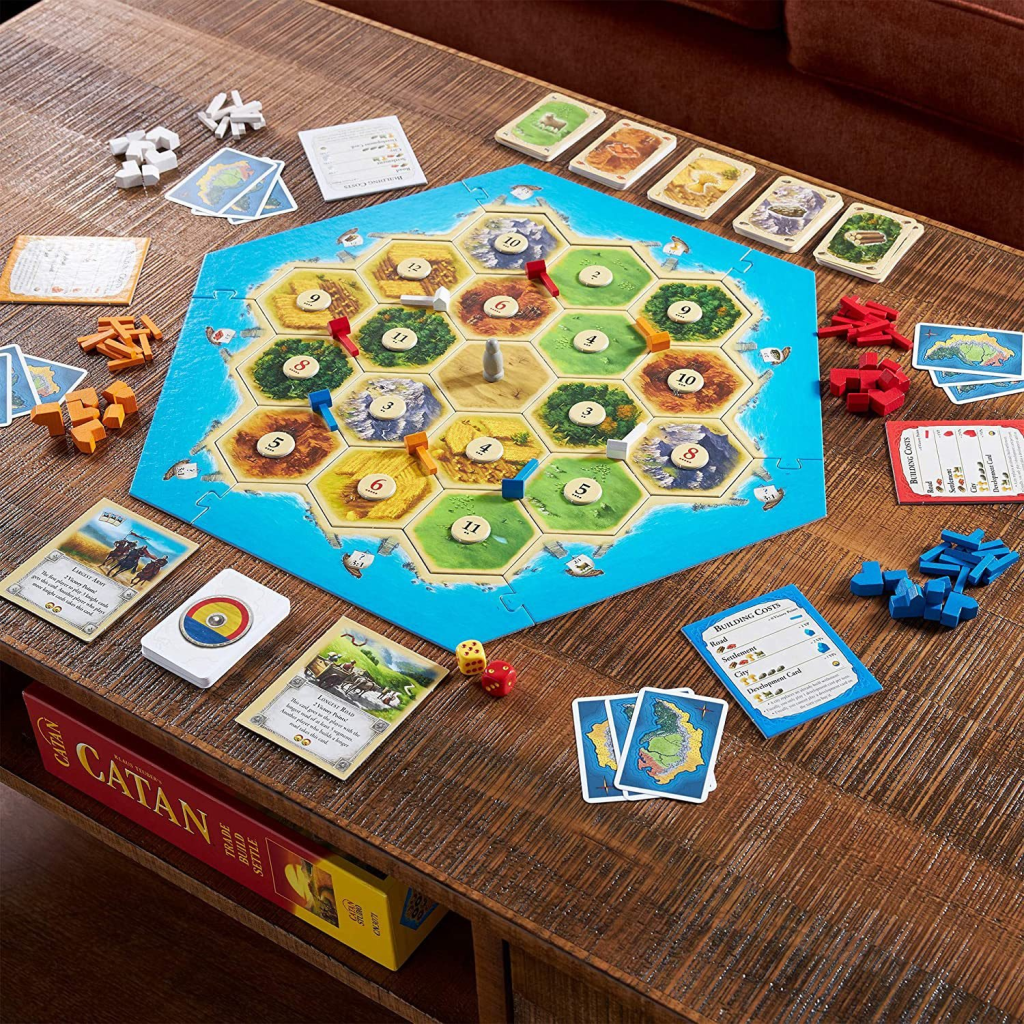
In today’s fast-paced world, maintaining focus FCM99 can be a challenge. Whether it’s due to distractions at home, the stress of work, or the endless bombardment of information, many of us find it difficult to stay present and engaged. However, one effective and enjoyable way to improve focus is through indoor games. Not only do these games offer entertainment, but they also help strengthen mental clarity, attention, and concentration.
In this article, we’ll explore several indoor games that are excellent for improving focus. Whether you’re a student, a professional, or just someone looking to boost your mental sharpness, these games can help you stay sharp, agile, and mentally focused.
- Chess: The Ultimate Game of Strategy
Chess is widely regarded as one of the best games to enhance cognitive function and improve concentration. The game requires players to think multiple moves ahead, anticipate their opponent’s strategy, and make quick yet calculated decisions—all of which demand high levels of focus and concentration.
How Chess Improves Focus:
Strategic Thinking: Players must plan their moves carefully, considering both immediate and future consequences.
Memory: Chess players often remember complex patterns and sequences, which aids in improving memory and focus.
Problem-Solving: The game challenges your brain to constantly solve problems, keeping you engaged and focused throughout the match.
Tips for Playing Chess to Improve Focus:
Practice regularly to sharpen your mental agility.
Start by playing slower games to improve focus, gradually increasing the speed as you become more comfortable.
- Sudoku: A Classic Puzzle for the Mind
Sudoku is a number puzzle game that requires players to fill a grid with numbers, ensuring no number repeats in any row, column, or grid. Though relatively simple in appearance, Sudoku exercises the brain in ways that significantly improve focus, problem-solving, and attention to detail.
How Sudoku Improves Focus:
Attention to Detail: Solving Sudoku puzzles requires careful attention to every number and position.
Critical Thinking: To find the right numbers, players must consider various possibilities, which enhances problem-solving skills and mental clarity.
Concentration: The game forces players to stay focused and methodically eliminate incorrect options, improving sustained attention.
Tips for Playing Sudoku to Improve Focus:
Start with easier puzzles and gradually move to harder ones to improve your focus.
Take your time to avoid making errors, as rushing can lead to distraction.
- Jenga: A Game of Precision and Patience
Jenga is a popular game where players take turns removing blocks from a tower and placing them on top, attempting to keep the structure from collapsing. While the premise is simple, it requires a great deal of focus and precision, making it an excellent game for improving concentration and hand-eye coordination.
How Jenga Improves Focus:
Hand-Eye Coordination: As you carefully remove blocks, Jenga trains your focus on both fine motor skills and mental clarity.
Patience and Control: The game requires steady hands and calm focus to avoid toppling the tower. Players must be patient and deliberate with each move.
Spatial Awareness: Understanding the structure of the tower and predicting how it will behave with each move challenges spatial reasoning and attention.
Tips for Playing Jenga to Improve Focus:
Play in a quiet, calm environment to help concentrate better on each move.
Focus on removing blocks carefully and with precision, avoiding distractions that may lead to errors.
- Memory (Concentration): A Game for Mental Agility
The Memory game, also known as Concentration, is a classic card game where players take turns flipping over pairs of cards to find matches. It is a highly effective game for improving focus, attention span, and short-term memory.
How Memory Improves Focus:
Memory Retention: Players need to recall the positions of cards and match them, which directly improves memory and focus.
Concentration: Since the cards are face-down, players must stay alert and concentrate on each flip to remember the positions of previously revealed cards.
Mental Agility: Memory requires quick thinking and attention to detail, which sharpens the brain’s ability to focus and process information rapidly.
Tips for Playing Memory to Improve Focus:
Play with more cards for a greater challenge, which will require sustained attention and mental effort.
Take breaks if you start feeling fatigued, as focus tends to decrease over long periods.
- Pictionary: The Drawing and Guessing Game
Pictionary is a fast-paced game that challenges players to draw a picture representing a word or phrase, while their teammates try to guess it. This game is excellent for boosting focus, especially because it combines creative thinking with quick decision-making.
How Pictionary Improves Focus:
Visual Focus: Drawing requires you to focus on representing an idea with minimal detail, improving visual concentration.
Quick Thinking: The ticking clock demands quick thinking and sharp focus, forcing you to make decisions rapidly under pressure.
Team Collaboration: Focusing on your drawing while keeping in mind what your teammates might be able to guess engages both your creativity and mental focus.
Tips for Playing Pictionary to Improve Focus:
Practice drawing simple concepts first to improve speed and focus under time pressure.
Keep the game lighthearted to maintain a relaxed but focused atmosphere.
- Brain Teasers and Logic Puzzles
There are a variety of logic-based card games and brain teasers that are designed specifically to improve mental clarity and concentration. Games like Rush Hour, Logic Grid Puzzles, and Chinese Checkers require players to think strategically, analyze patterns, and solve complex problems—all while maintaining focus.
How Logic Puzzles Improve Focus:
Analytical Thinking: Solving puzzles requires players to think critically and logically, improving both focus and cognitive abilities.
Concentration: Most brain teasers require extended periods of concentration and mental effort, which helps build focus over time.
Pattern Recognition: These games engage your ability to identify patterns and structure, which strengthens attention and cognitive agility.
Tips for Solving Logic Puzzles to Improve Focus:
Start with puzzles that match your current skill level to avoid frustration and loss of concentration.
Work through puzzles step by step, focusing on each part of the solution rather than rushing to the end.
Conclusion: Focused Fun for a Sharper Mind
Improving focus doesn’t have to be a tedious or stressful process. In fact, indoor games are a fun, engaging way to boost mental clarity and concentration. Whether you’re playing Chess, solving a Sudoku, or competing in a game of Jenga, these activities offer not only entertainment but also substantial benefits for your cognitive function.
The key to improving your focus through these games is consistency. By incorporating them into your daily routine, you can gradually enhance your ability to concentrate, remember details, and solve problems quickly and effectively.
 Site Title